Welcome to the New Fort Burnside Website
We've launched a new website to share the history of Fort Burnside and Beavertail State Park's role in World War II coastal defense.
Beavertail State Park - Jamestown, RI
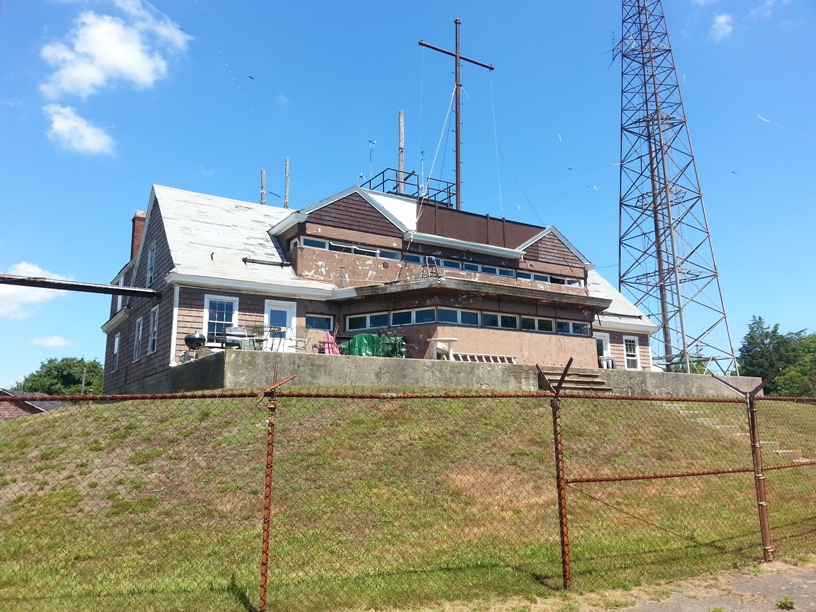
During World War II, the Harbor Entrance Control Post at Fort Burnside was designed to look like a typical Rhode Island seaside cottage. Behind the shingles: reinforced concrete, radar, and the nerve center of Narragansett Bay's defense.
Outwardly built to mimic a country farmhouse, the Harbor Entrance Control Post coordinated Battery 213's 6-inch guns, the anti-submarine nets across both passages of Narragansett Bay, and an underwater network of magnetic detection loops stretching miles to sea.
Officers from the Army's 243rd Coast Artillery Regiment and the U.S. Navy worked side by side here, monitoring every vessel approaching Newport Harbor - home to the Atlantic Fleet's critical anchorage.
Read the full history →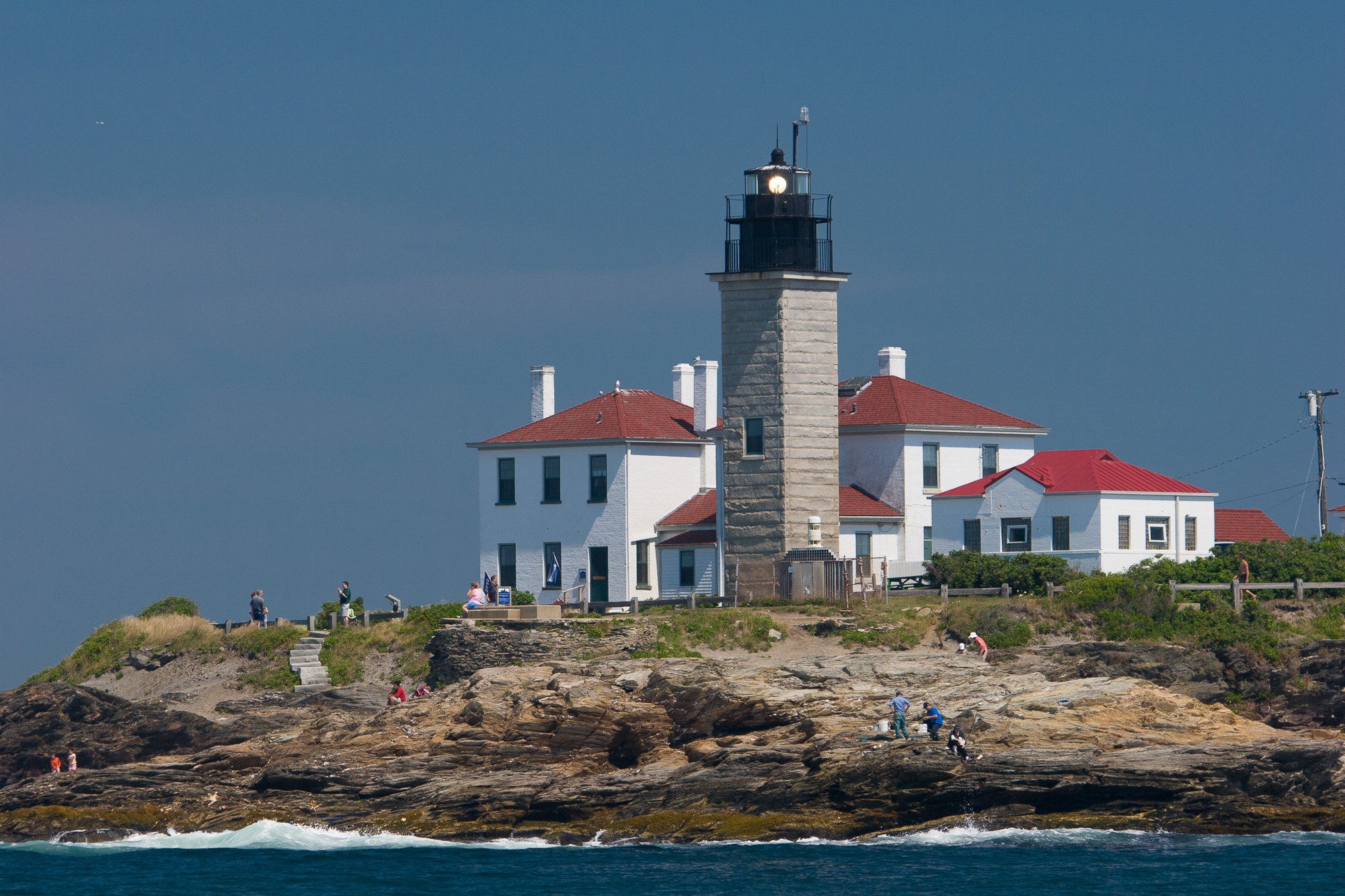
The Fort Burnside Communication & Coastal Defense Museum relies on members to document, restore, and share Rhode Island's wartime heritage.
$250 / year
We've launched a new website to share the history of Fort Burnside and Beavertail State Park's role in World War II coastal defense.